Rated 4.8 out of 7,250+ Reviews





Is Your Home Ready for EV Charger Installation?
4.8

Rating by 7,250+ Customers
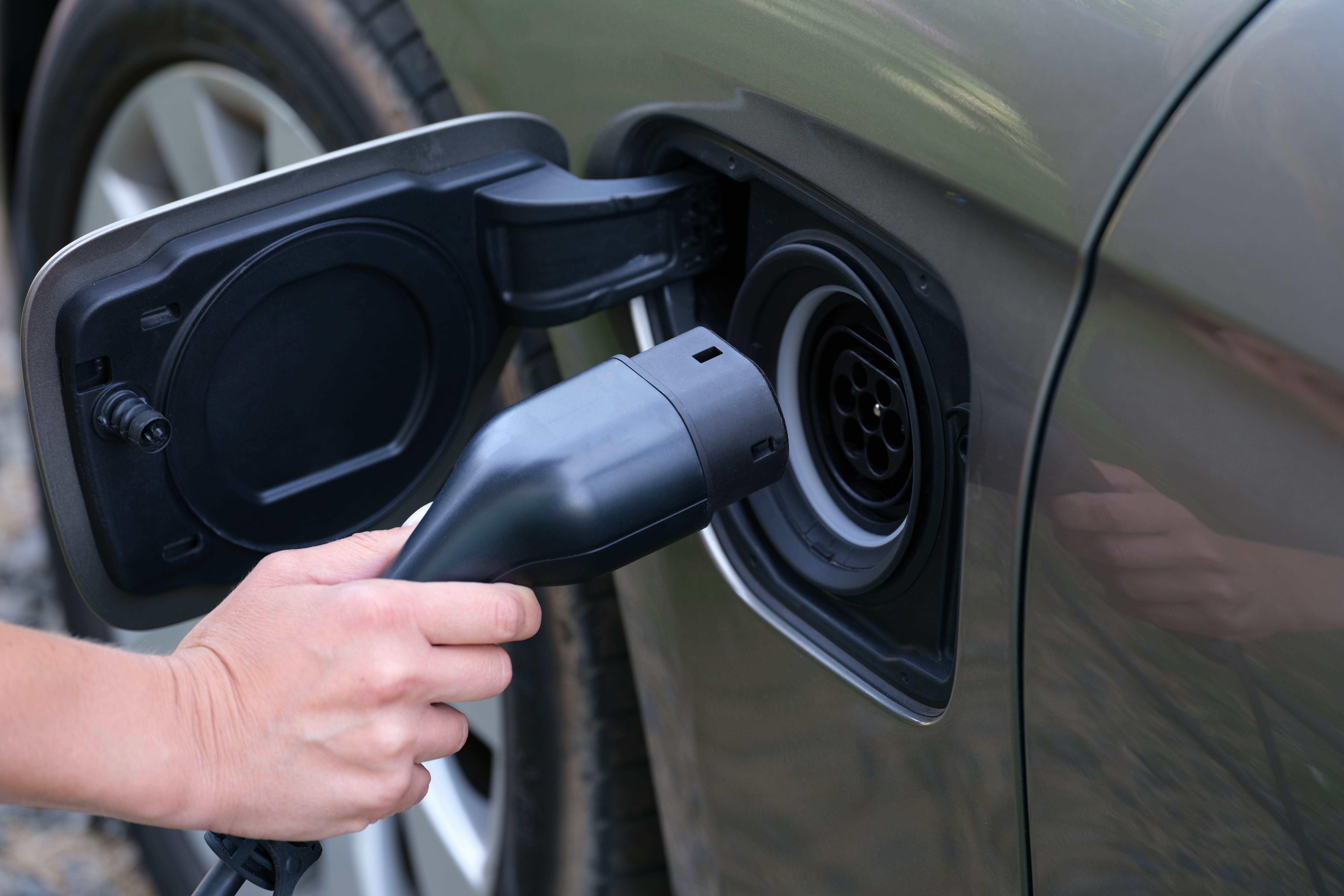
Many homeowners in SW Washington are switching to electric vehicles, and one of the first questions they ask is, “Can my home handle an EV charger?” A Level 2 charger is the most common choice because it charges your car much faster than a standard wall outlet. But it also uses more power than most people realize. Before installing one, it’s important to make sure your home’s electrical system is ready for the extra load.
Homes in SW Washington and the surrounding areas vary in age and wiring. Some are fully prepared for a new 240-volt circuit, while others may need panel updates or small electrical changes before a charger can be installed safely. Here’s a simple breakdown of what to check and why working with a licensed electrician from Wolfer’s Home Services is the safest, easiest way to get started.
Check Your Electrical Panel First
A Level 2 EV charger needs a 240-volt circuit and a breaker that’s usually 40 to 60 amps. Your electrical panel must have enough open space and enough available capacity to support that new circuit.
A technician will look for:
- Available breaker slots
- Overall panel size (100-amp, 150-amp, or 200-amp)
- How much power your home is already using
If your electrical panel is already close to max capacity, there may not be enough power left to run an EV charger safely. An overloaded panel can cause flickering lights, warm outlets, or wiring strain you may not notice right away. In these cases, a panel upgrade is needed so the charger has enough power and your home can operate safely without stressing the system.
Ensure Your Wiring Can Handle the Load
Every EV charger needs its own dedicated circuit. The wiring must match the charger’s power level, or the wires can overheat. For example:
- A 32-amp charger uses a 40-amp breaker
- A 40-amp charger uses a 50-amp breaker
- A 48-amp charger uses a 60-amp breaker
Electrical code also requires that EV chargers run at no more than 80 percent of the breaker’s capacity, which is why the breaker must be rated higher than the charger’s actual draw.
If your home has older wiring, especially if it hasn’t been updated since the 80s or 90s, the wires may not be sized correctly for a high-demand appliance. A licensed electrician will check wire size, grounding, and overall condition before installation.
Decide Between a Plug-In or Hardwired Charger
Most homeowners choose between two types of Level 2 chargers: plug-in and hardwired chargers.
Both chargers work well, but they have different requirements:
- Plug-in chargers need a correct NEMA 14-50 outlet placed in the right location with proper wiring and grounding.
- Hardwired chargers are connected directly to the electrical panel and are often the most reliable choice for long-term home charging.
If the charger is installed outdoors, weather protection, conduit, and mounting location all need to be planned out. An electrician can help choose the safest and simplest setup for your home’s layout.
When You Might Need an Electrical Panel Upgrade
A panel upgrade becomes necessary when:
- Your panel is 100 amps or smaller
- You have no open breaker slots
- The panel is older or showing signs of wear
- You already have several high-power appliances
- You plan to add more electrical equipment in the future
Upgrading to a 200-amp panel provides enough power for your EV charger and future electrical needs, including heat pumps, hot tubs, kitchen upgrades, and more. It also improves safety by replacing aging breakers and worn components.
Why You Should Use a Licensed Electrician
Installing an EV charger involves more than mounting the equipment. To do the job safely, a licensed electrician must:
- Calculate your home’s total electrical load
- Choose the correct breaker and wiring
- Verify proper grounding
- Pull permits when required
- Install the circuit to meet Washington electrical code
- Ensure your charger is protected from overloads and faults
DIY installations or hiring unlicensed labor can lead to failed inspections, fire hazards, damaged equipment, or a voided EV warranty.
Get Your Home EV-Ready with Wolfer’s Home Services
Getting your home ready for an EV charger doesn’t have to be stressful. When you schedule an assessment with Wolfer’s Home Services, our licensed electricians check your wiring, panel capacity, and overall electrical load so you know exactly what your home needs, no guessing and no surprises. With over a century of experience serving SW Washington and some of the strongest workmanship guarantees in the region, we make sure your charger is installed safely and built to last.
Contact Wolfer’s Home Services today to schedule your EV charger installation or electrical panel assessment, and feel confident your home is ready for the road ahead.
Unbeatable Heating, Air Conditioning, Plumbing & Electrical Services
From everyday repairs to major home comfort upgrades, Wolfer’s Home Services is ready to help. Our experienced technicians provide dependable HVAC, plumbing, and electrical solutions backed by more than 125 years of service and our commitment to five-star customer care.