

Living in the Pacific Northwest means embracing a climate defined by beauty, rolling green landscapes, and a legendary amount of rain. From the historic neighborhoods of Portland and Salem to the newer developments across the Willamette Valley, local homeowners are well-acquainted with wet weather. Because our soil stays damp for months at a time, local architectural designs heavily rely on raised foundations and crawl spaces to elevate living structures safely off the wet ground.
While a crawl space does an excellent job of protecting your home framing from pooling surface water, it can easily turn into a hidden trap for extreme humidity. Many regional property owners view their crawl space as an isolated dirt cavern that has zero impact on the rest of the house. In reality, a damp crawl space is a major structural liability that directly degrades your indoor air quality and actively strangles your home climate system. If you are noticing high utility bills, sticky indoor rooms, or mysterious system breakdowns, your heating and cooling network is likely fighting a quiet battle against underground moisture. Wolfer’s Home Services has been keeping Pacific Northwest households comfortable, efficient, and safe since 1901. This guide breaks down the science of how crawl space moisture forces your HVAC system to work twice as hard, and the best ways to dry out your home infrastructure.
How Underground Air Controls Your Comfort
To understand why a damp crawl space impacts an air conditioner or a high-efficiency heat pump running upstairs, you have to look at the natural physics of residential airflow.
Your Home Acts Like a Giant Chimney
Your property creates a continuous upward movement of air that building scientists call the stack effect. As the sun warms your roof line or your heating system runs, warm air naturally rises and escapes out through your attic insulation and roof vents. This escaping air creates a tiny vacuum on the lower levels of your property, which actively sucks replacement air upward from the lowest point of the structure: your dirt crawl space.
The Under-Floor Air You Breathe Upstairs
Because of this constant atmospheric suction, up to fifty percent of the air you breathe on the first floor of your home actually originated beneath your floorboards. If your crawl space is packed with stagnant water vapor and biological mold spores, that damp, dirty air climbs straight through your subfloor joists, wire paths, and plumbing cutouts, flooding your living spaces with heavy, humid air.
Why Crawl Space Moisture Destroys HVAC Efficiency
When a central heating and cooling system is forced to process air that is heavily saturated with underground moisture, it experiences intense thermodynamic and physical bottlenecks.
Managing the Heavy Latent Heat Load
An air conditioner or heat pump cannot lower the temperature on your thermostat until it first wrings out the invisible water vapor trapped in the air stream. This is known as managing the latent heat load. When your HVAC system pulls thick, humid crawl space air across its cold indoor coils, it has to spend an immense amount of electrical energy turning that water vapor into liquid droplets. On a humid summer day in Western Oregon, your system can spend half of its total operational power acting as a glorified dehumidifier, leaving far less energy available to actually cool your home, which causes your monthly electric bills to skyrocket.
Slime Blockages and Rotted Duct Networks
Furthermore, high subfloor moisture leads to severe equipment degradation behind your walls. The high volume of water constantly dripping off your indoor cooling coils creates a steady flow inside your PVC condensate drain line. In a damp environment, this line quickly fills with a thick, gelatinous biological slime that plugs the pipe, triggers safety float switches, and cuts power to your entire system. Additionally, if your primary supply and return ductwork runs through a wet crawl space, the thin sheet metal and fiberglass insulation blankets can absorb that moisture, causing the duct insulation to rot away and allowing precious conditioned air to leak straight into the dirt below.
The Pacific Northwest Factor: Cool Marine Air and Dense Soil
Operating a home utility grid in the Willamette Valley introduces unique environmental and soil challenges that you won’t find in drier states. Our regional footprint requires a highly disciplined approach to moisture management.
The Trap of Traditional Foundation Vents
The primary structural trap comes from the traditional foundation vents installed along our home perimeters. For decades, standard building codes mandated open vents to allow air to circulate beneath the house. However, during a damp, cool Pacific Northwest spring or a humid summer evening, opening these vents simply invites heavy, moisture-laden marine air straight under your house. When that sticky outdoor air hits your cool, air-conditioned subfloor framing and copper plumbing lines, it instantly reaches its dew point, turning into literal liquid condensation that bakes into your structural wood.
Hydrostatic Pressure in Fine Clay Dirt
Additionally, our regional landscape features dense, fine clay and silty soils that hold water like a massive sponge. When the heavy winter rain falls, the soil saturates completely, and the high water table forces moisture straight through porous concrete foundation walls, a process called hydrostatic pressure. Without a seamless modern barrier to block this water, your crawl space turns into a perpetual steam room that constantly feeds damp air straight into your upstairs living zones.
Modern Solutions to Dry Out Your Home Infrastructure
If you are fighting a musty smell or skyrocketing energy invoices, trying to mask the issue with air fresheners or running your air conditioner on its lowest setting will not fix the problem. You need to implement durable, code-compliant updates that isolate your foundation from the surrounding elements.
The Power of Full Crawl Space Encapsulation
The absolute best way to stop subfloor moisture from destroying your HVAC efficiency is through a process called crawl space encapsulation. This approach transforms your damp, dirty under-house zone into a clean, dry, and sealed storage environment:
- Installing a Heavy-Duty Vapor Barrier: Technicians cover every inch of the dirt floor and concrete foundation walls with a thick, multi-layered, puncture-resistant white plastic liner, sealing all seams with heavy-duty airtight tape to block ground moisture completely.
- Sealing Perimeter Foundation Vents: Closing off old foundation vents stops humid, heavy marine air from entering your crawl space, while specialized foam insulation seals the perimeter rim joists to eliminate drafts.
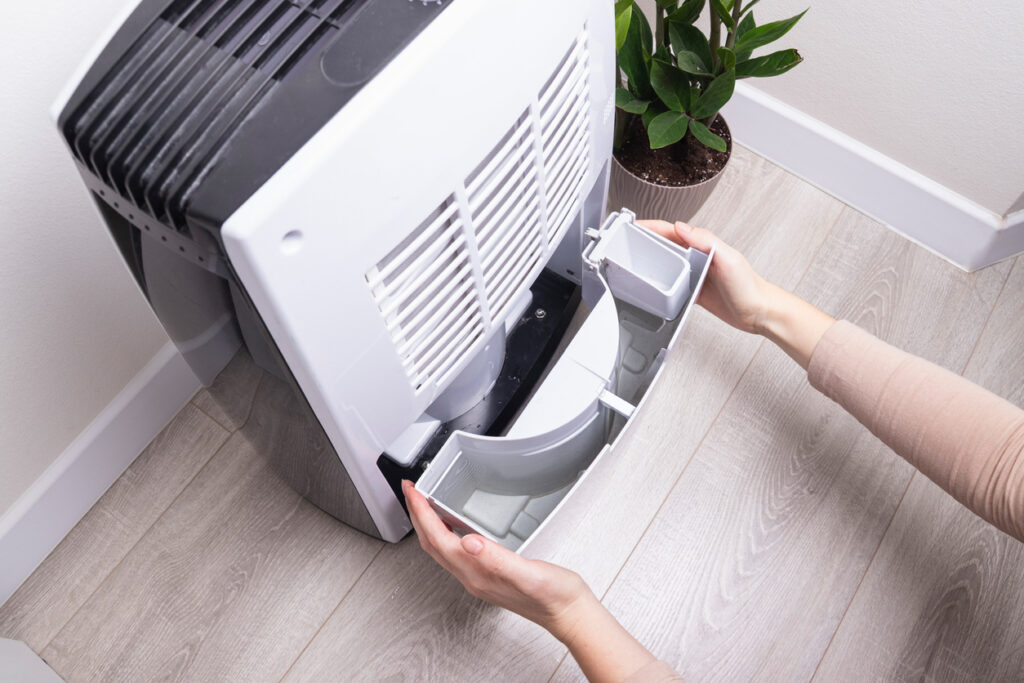
- Mounting an Energy-Efficient Dehumidifier: Installing a commercial-grade low-temperature dehumidifier directly under the house automatically monitors the space, wringing out excess water vapor and pumping it safely outside so your subfloor framing stays dry year-round.
Connect with the Home Comfort Experts at Wolfer’s Home Services
You do not have to live with a sticky, uncomfortable home or worry about hidden moisture damage beneath your feet. The friendly, fully licensed team at Wolfer’s Home Services has been delivering honest advice and master-level precision across Portland, Salem, and the surrounding Pacific Northwest communities since 1901. Let our team restore perfect efficiency and clean air quality to your home utility grid.
Contact our team today to get your HVAC service scheduled!