Rated 4.8 out of 7,114+ Reviews




Don’t Wait for Winter: Signs Your Older Portland Furnace Needs Repair or Replacement This Fall
4.8

Rating by 7,114+ Customers
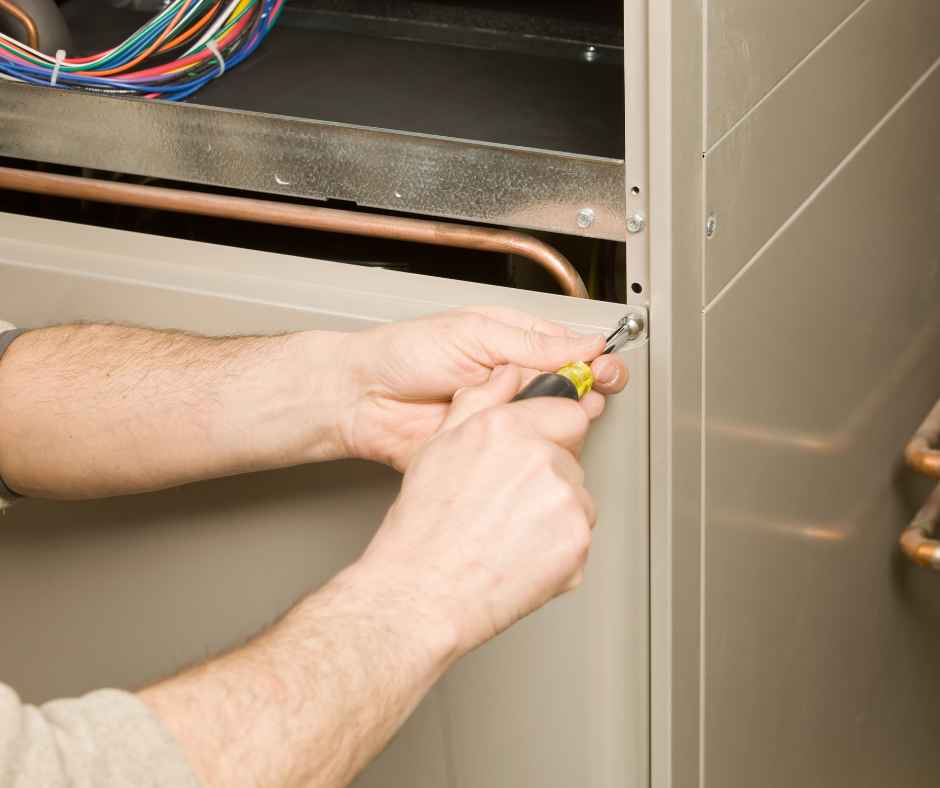
Your furnace may still turn on, but that does not necessarily mean it is ready for another Portland winter. If it struggled last season, needed repeated service, or seems less reliable than it used to, fall is the right time to figure out what is going on.
Older furnaces often give warning signs before a complete breakdown happens. Paying attention to changes in comfort, efficiency, sound, airflow, and repair frequency can help you decide whether another repair makes sense or whether replacement is becoming the better long-term option.
In this guide, we’ll explain the most common signs that an older furnace needs attention, when repair is still worthwhile, and when replacement may be the smarter move. The goal is to help Portland homeowners decide before winter increases demand on an already aging heating system.
What Are the Signs an Older Furnace Needs Attention?
An older furnace can continue running while its overall performance gradually declines. The more changes you notice at the same time, the more important it becomes to have the system professionally evaluated.
Common warning signs include:
- Uneven heating
- Weak airflow
- Frequent cycling
- Longer run times
- Unusual noises
- Burning or electrical odors
- Rising heating bills
- Repeated repair calls
- Difficulty maintaining the thermostat setting
- Increasingly unreliable startup
One symptom does not always mean the furnace is failing. Several of these signs together can point toward a system that is becoming less efficient or dependable.
How Much Should Furnace Age Matter?
Age matters, but it should not be treated as an automatic replacement deadline. Two furnaces that are the same age can have very different maintenance histories and overall conditions.
An older furnace may still be worth keeping if:
- It has been reliable
- Repairs have been infrequent
- Heating performance remains consistent
- Safety concerns are not present
- Operating costs are reasonable
- The current issue is minor
Replacement becomes more worth considering when age is combined with repeated repairs, declining comfort, rising operating costs, or major component problems. The system’s condition matters more than age alone.
When Is Furnace Repair Still Worth It?
Repair can still make sense when the current issue is isolated and the furnace is otherwise in good condition. A single failed component does not automatically mean you should replace the entire heating system.
Repair may be reasonable when:
- The furnace has been dependable
- The problem involves a serviceable component
- Major deterioration is not present
- Repairs have not become frequent
- Heating performance was good before the current issue
- The repair cost makes sense for the age and condition of the system
A professional diagnosis can help determine whether the problem is a one-time repair or part of a larger pattern. That distinction is critical when deciding how much more to invest in an older furnace.
When Does Furnace Replacement Make More Sense?
Replacement becomes more practical when several signs of decline are happening at once. At that point, continuing to repair the system may provide less value than investing in new equipment.
Replacement may make more sense when:
- Repairs are becoming frequent
- Major components are failing
- Heating performance continues to decline
- The system struggles to maintain comfort
- Operating costs are increasing
- Safety concerns are present
- The furnace has become unreliable
- Repair costs are becoming difficult to justify
Base the decision on the whole system, not one repair bill. An older furnace with repeated issues presents a very different situation than an older furnace that has been consistently reliable.
Why Is Your Furnace Running Longer Than It Used To?
Longer run times can signal that the furnace is working harder to maintain the same temperature. However, the furnace may not be the cause.
Possible reasons include:
- Dirty air filters
- Airflow restrictions
- Duct leakage
- Thermostat issues
- Blower problems
- Aging components
- Poor insulation
- Air leaks around the home
If the furnace used to keep the home comfortable with shorter cycles and now runs almost constantly, that change is worth investigating. A professional inspection can determine whether the issue is maintenance-related, mechanical, or connected to the home itself.
Can Rising Heating Bills Mean Your Furnace Is Losing Efficiency?
They can, but higher bills don’t automatically mean the furnace is the problem. Fuel prices, colder weather, thermostat changes, duct leakage, and insulation problems can all affect heating costs.
An aging or poorly performing furnace can still drive up energy use. If it runs longer, cycles more often, or struggles to maintain temperature, it may use more energy than it once did.
Watch for patterns such as:
- Higher bills without major usage changes
- Longer heating cycles
- More frequent furnace operation
- Declining comfort
- Repeated repairs
- Uneven temperatures
The best way to evaluate efficiency is to look at the system and home together rather than focusing on one monthly bill.
What Do Strange Furnace Noises Mean?
A furnace can make several normal sounds during startup and operation, but new or worsening noises deserve attention. Different sounds can point to different issues, from minor vibration to mechanical or electrical problems.
You may hear:
- Banging
- Rattling
- Squealing
- Buzzing
- Popping
- Grinding
Rattling may come from a loose component, while squealing can point toward a moving part such as the blower motor. Buzzing can involve electrical components, and repeated banging may indicate an airflow, duct, or ignition-related issue.
The sound itself is only one clue. Timing, severity, and other symptoms also matter when determining whether the furnace needs repair.
What Furnace Safety Signs Should You Never Ignore?
Some furnace symptoms are more serious because they can involve electrical, combustion, or carbon monoxide concerns. Evaluate these warning signs promptly.
Call for professional help if you notice:
- Persistent burning odors
- Electrical or melting smells
- Repeated unexplained shutdowns
- Loud electrical buzzing
- Visible damage or deterioration
- Smoke
- Active sparking
- A carbon monoxide alarm
If a carbon monoxide alarm activates, follow the manufacturer’s instructions and seek appropriate emergency assistance. Do not continue operating the furnace while trying to diagnose the issue yourself.
Can Uneven Heating Be a Furnace Problem?
Yes, but uneven heating can also come from ductwork, airflow, insulation, or the home’s layout. One cold room does not automatically mean the furnace needs replacement.
Possible causes include:
- Blocked or restricted vents
- Leaky ducts
- Dirty filters
- Blower problems
- Poor insulation
- Air leaks
- Improper system sizing
- Declining furnace performance
If the problem is new or getting worse, evaluate the system as a whole. Replacing the furnace without addressing duct or home-performance issues may not solve the comfort problem.
Why Is Fall a Good Time to Repair or Replace Your Furnace?
Fall gives you more time to evaluate the system before winter heating demand becomes more consistent. It is easier to make a thoughtful decision when the furnace is still operating than when you are dealing with a no-heat emergency.
Planning ahead can give you time to:
- Schedule a professional inspection
- Compare repair and replacement options
- Review equipment efficiency
- Evaluate ductwork
- Address thermostat or control issues
- Plan around installation
- Avoid a rushed winter decision
Fall is especially useful if the furnace already showed signs of trouble last season. Problems that seemed minor in spring may become more noticeable once the system starts running regularly again.
Should You Replace Your Furnace Before It Fails Completely?
Sometimes, especially if the system is already showing several signs of decline. Planned replacement can help you avoid the inconvenience of losing heat unexpectedly and give you more time to compare options.
It may be worth considering replacement before failure when:
- Repairs are becoming frequent
- The system is unreliable
- Heating performance keeps declining
- Energy use is rising
- Major components are deteriorating
- You expect replacement soon anyway
That does not mean every older furnace should be replaced preemptively. A reliable system in good condition can often continue providing useful service.
What Should You Consider When Choosing a Replacement Heating System?
If replacement is the right move, choose a new system based on your home rather than simply matching the old equipment. Proper sizing, ductwork, efficiency, and installation quality all affect comfort and long-term performance.
Consider:
- System sizing
- Efficiency rating
- Fuel type
- Duct compatibility
- Thermostat controls
- Blower technology
- Heat pump or dual-fuel options
- Installation quality
- Warranty coverage
- Budget
The equipment itself is only part of the decision. A high-efficiency system that is poorly sized or installed may not deliver the comfort or savings you expect.
Get Your Heating System Ready With Wolfer’s Home Services
An older furnace doesn’t automatically need replacement, but you shouldn’t ignore it when warning signs start to stack up. Frequent repairs, rising heating costs, uneven comfort, unusual noises, and declining performance can all point toward a system that deserves a closer look before winter.
Wolfer’s Home Services can inspect your furnace, identify the cause, and help you decide whether repair or replacement makes the most sense for your Portland home. If your heating system struggled last season or is already showing signs of trouble this fall, contact us today to schedule professional furnace service.
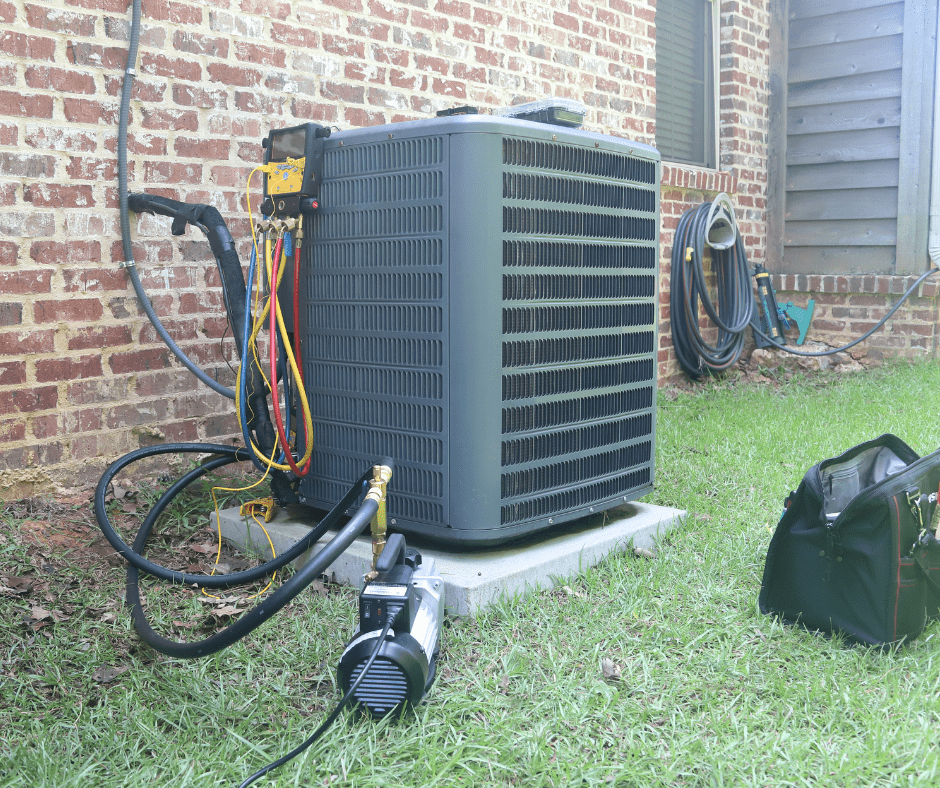
Unbeatable Heating, Air Conditioning, Plumbing & Electrical Services
From everyday repairs to major home comfort upgrades, Wolfer’s Home Services is ready to help. Our experienced technicians provide dependable HVAC, plumbing, and electrical solutions backed by more than 125 years of service and our commitment to five-star customer care.