Rated 4.8 out of 7,276+ Reviews




PNW Winter Heating Checklist: Preparing Your Home for Fall Cold Snaps
4.8

Rating by 7,276+ Customers
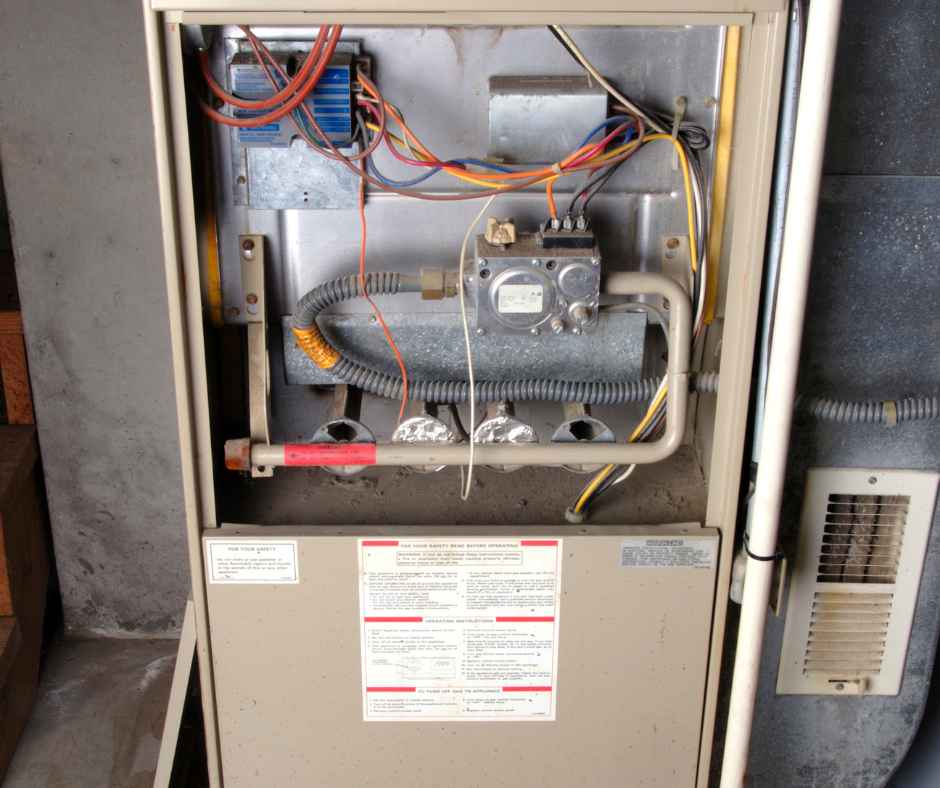
Fall in the Pacific Northwest brings cooler temperatures, frequent rainfall, and sudden cold snaps that can catch homeowners off guard. While the region often has relatively mild winters compared to other parts of the country, freezing temperatures and extended damp weather can still put significant demands on residential heating systems.
Whether your home relies on a furnace or heat pump, preparing your heating equipment before temperatures drop can help prevent unexpected breakdowns, improve energy efficiency, and maintain consistent indoor comfort. Basic fall maintenance also gives you time to address potential problems before colder weather arrives.
In this guide, we’ll cover a practical Pacific Northwest winter heating checklist, including professional HVAC maintenance, heat pump preparation, airflow improvements, thermostat testing, and warning signs that indicate your heating system may need repairs.
Why Fall Heating Preparation Matters in the Pacific Northwest
The Pacific Northwest’s changing weather conditions can create unique challenges for residential heating systems. Cool, damp mornings may give way to warmer afternoons, while sudden temperature drops can increase heating demand with little warning.
Furnaces and heat pumps used less during warmer months may develop problems that aren’t immediately noticeable. Dirty components, restricted airflow, and worn electrical connections can reduce performance once heating equipment runs more often.
Scheduling fall heating maintenance offers several important benefits:
- Improved reliability: Routine inspections help identify potential issues before they interrupt your home’s heating.
- Better energy efficiency: Properly maintained equipment can operate more efficiently and reduce unnecessary energy consumption.
- Consistent indoor comfort: Addressing airflow and performance concerns helps maintain more even temperatures.
- Reduced repair risks: Identifying worn components early may prevent more extensive heating problems.
For homeowners throughout the PNW, preparing heating equipment before the first major cold snap can help reduce the likelihood of inconvenient breakdowns during colder weather.
Schedule Professional Heating Maintenance Before Cold Weather
One of the most important steps on your Pacific Northwest winter heating checklist is scheduling professional HVAC maintenance before temperatures consistently drop.
Furnaces and heat pumps both contain mechanical and electrical components that require regular inspection. Although these systems operate differently, preventative maintenance helps identify developing problems and supports reliable heating performance.
During a professional heating system inspection, an HVAC technician may evaluate:
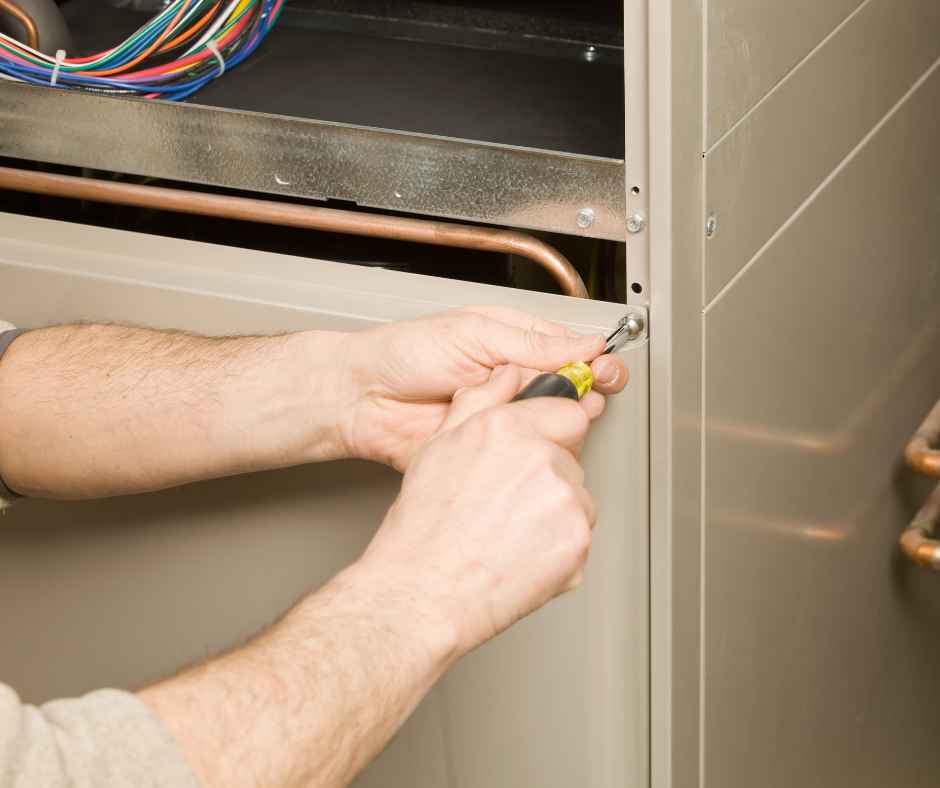
- Electrical connections: Checking for loose, damaged, or deteriorating connections that could affect system operation.
- Heating components: Inspecting burners, ignition systems, or heat pump components depending on the equipment type.
- Blower motors: Evaluating airflow and the components responsible for distributing heated air.
- Safety controls: Testing protective devices designed to prevent unsafe operating conditions.
- System performance: Confirming that the equipment operates properly and delivers adequate heating.
For fuel-burning furnaces, technicians may also inspect combustion components, heat exchangers, and exhaust venting.
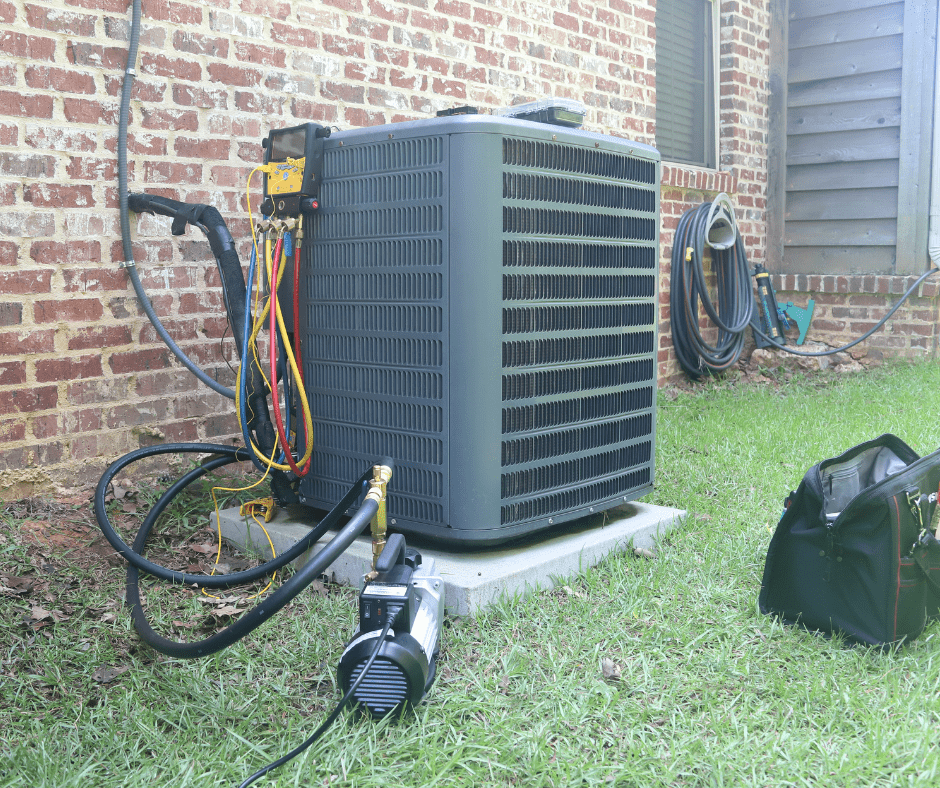
Heat pump maintenance may include checking refrigerant performance, outdoor coils, drainage, and defrost operation.
Even if your heating system appears to be working normally, annual maintenance can identify issues that may become more noticeable during periods of increased heating demand.
Check Air Filters, Vents, and Heating Airflow
Proper airflow is essential to efficient heating performance. When air filters become clogged with dust, pet hair, and other particles, heating systems may struggle to circulate warm air throughout the home.
Restricted airflow can cause uneven temperatures, higher energy use, and unnecessary strain on heating equipment. In some cases, severe airflow restrictions may cause safety controls to interrupt system operation.
Homeowners can improve airflow by completing several simple maintenance tasks:
- Inspect air filters monthly: Replace filters according to the manufacturer’s recommendations and your household conditions.
- Keep supply vents clear: Avoid blocking heating vents with furniture, rugs, or other household items.
- Check return air grilles: Make sure air can circulate freely back to the heating system.
- Monitor room temperatures: Significant differences between rooms may indicate airflow or ductwork concerns.
Filter replacement frequency varies depending on equipment requirements, filter type, and household conditions.
If your home continues experiencing weak airflow or inconsistent heating after basic maintenance, a professional HVAC inspection can help identify underlying problems.
Prepare Your Heat Pump for Cold and Wet Conditions
Heat pumps are a common heating option throughout the Pacific Northwest because they can provide efficient heating during the region’s relatively moderate temperatures.
However, outdoor heat pump equipment must stay clear of obstructions and operate properly during heavy rainfall, freezing temperatures, and occasional snowfall.
Before winter arrives, inspect the area surrounding your outdoor unit and remove leaves, branches, and other loose debris. Maintain the clearance recommended by the equipment manufacturer to support proper airflow.
Make sure nearby drainage areas remain clear so water can move away from the equipment. Avoid placing objects directly against the unit or covering it while it’s operating.
During cold weather, heat pumps may periodically enter a defrost cycle to remove frost from the outdoor coil. Temporary changes in operating sounds, visible steam, or brief heating interruptions are normal during this process.
However, excessive ice buildup, persistent heating problems, or a unit that fails to complete defrost cycles may indicate a need for professional service.
Some heat pump systems also use supplemental heating during particularly cold conditions. A technician can evaluate whether these components are operating correctly during routine winter HVAC maintenance.
Test Your Thermostat and Heating System Before a Cold Snap
Testing your heating system before the first major temperature drop is one of the easiest ways to identify potential problems early.
Begin by switching your thermostat to heating mode and setting the temperature a few degrees above the current indoor reading. Allow the equipment to complete its normal startup sequence, then confirm that warm air begins circulating throughout your home.
While the system runs, watch for unusual noises, weak airflow, or difficulty maintaining the selected temperature.
Additional thermostat preparation steps include:
- Replacing thermostat batteries if your model requires them.
- Reviewing programmable heating schedules.
- Confirming that the thermostat displays an accurate indoor temperature.
- Checking that heating equipment responds when settings change.
For homes with heat pumps, avoid making large, frequent thermostat adjustments that could unnecessarily activate supplemental electric resistance heating on certain systems.
If your heating equipment doesn’t respond properly or struggles to maintain comfortable temperatures, schedule professional service before colder weather arrives.
Early testing provides time to address problems before your household depends on consistent heating.
Reduce Drafts and Improve Your Home’s Heating Efficiency
Even a properly maintained heating system can struggle to keep your home comfortable when warm air escapes through poorly sealed windows, doors, and other openings.
The Pacific Northwest’s cool, damp winters make insulation and draft prevention important for maintaining consistent indoor temperatures.
When heated air escapes, your furnace or heat pump may need to run longer to maintain the temperature you set on the thermostat.
Several practical improvements can help reduce winter heat loss:
- Install weatherstripping around exterior doors.
- Seal appropriate gaps around windows and door frames.
- Inspect attic insulation for missing or damaged areas.
- Use insulated curtains to help reduce heat loss through windows.
- Check accessible areas for noticeable drafts.
Homeowners should avoid blocking combustion air openings, ventilation components, or other equipment necessary for safe heating operation.
Better insulation and reduced air leakage can complement regular heating maintenance, helping your system run more efficiently through the colder months.
Recognize Warning Signs Your Heating System Needs Repair
Heating systems often display warning signs before experiencing a complete breakdown. Recognizing these symptoms can help Pacific Northwest homeowners address developing problems before a cold snap makes heating repairs more urgent.
Common signs your furnace or heat pump may need professional attention include:
- Unusual noises: Grinding, banging, rattling, or squealing sounds may indicate mechanical problems.
- Weak airflow: Reduced airflow can suggest a clogged filter, blower issues, or ductwork problems.
- Inconsistent heating: Rooms that remain unusually cold may indicate problems with system performance or distribution.
- Frequent cycling: Equipment that repeatedly starts and stops may have thermostat, airflow, or mechanical concerns.
- Higher energy bills: Unexpected increases in heating costs may suggest reduced system efficiency.
- Difficulty maintaining temperature: A system that runs continuously without adequately heating your home may require repairs.
Heat pumps may also show signs of trouble through excessive outdoor ice buildup, persistent defrost problems, or unusual operating behavior.
For fuel-burning furnaces, address unusual odors or combustion concerns immediately. If you smell natural gas or a carbon monoxide alarm sounds, leave the building and contact emergency services or your utility provider from a safe location.
Addressing heating problems early can help prevent more disruptive breakdowns during the Pacific Northwest’s colder weather.
Prepare Your PNW Home for Winter With Wolfer’s Home Services
Preparing your heating system for fall cold snaps is an important part of keeping your home comfortable and reliable throughout the Pacific Northwest winter.
Scheduling professional HVAC maintenance, replacing air filters, testing thermostats, improving insulation, and checking outdoor heat pump equipment can help reduce unexpected heating problems.
Although homeowners can complete many basic preparation tasks, internal furnace and heat pump inspections should be performed by qualified HVAC professionals.
At Wolfer’s Home Services, we understand how important dependable heating is when Pacific Northwest temperatures drop. Our team can help homeowners prepare their furnaces and heat pumps for winter, identify potential problems, and address necessary heating repairs.
Whether your heating system needs seasonal maintenance, struggles to maintain comfortable temperatures, or shows signs of declining performance, professional service can help keep your home ready for colder conditions.
Contact Wolfer’s Home Services today to schedule heating maintenance or repairs and keep your Pacific Northwest home warm, comfortable, and ready for winter.
Unbeatable Heating, Air Conditioning, Plumbing & Electrical Services
From everyday repairs to major home comfort upgrades, Wolfer’s Home Services is ready to help. Our experienced technicians provide dependable HVAC, plumbing, and electrical solutions backed by more than 125 years of service and our commitment to five-star customer care.