Rated 4.8 out of 7,276+ Reviews





Choosing Between Heat Pumps and Gas Furnaces in Wilsonville
4.8

Rating by 7,276+ Customers
In the Willamette Valley, homeowners enjoy a temperate climate that stays relatively mild for much of the year. However, as any Wilsonville resident can tell you, our winters are far from predictable. We deal with everything from weeks of steady Pacific Northwest drizzle to sudden Arctic blasts that bring freezing rain and snow. When it comes time to upgrade your heating system, the unique weather patterns of Clackamas and Washington Counties make the choice between a heat pump and a gas furnace a critical decision.
At Wolfer’s Home Services, we have been providing comfort solutions to Oregon families since 1901. We understand that there is no one size fits all answer for Wilsonville homes. The right choice depends on your home’s existing infrastructure, your long term energy goals, and your personal comfort preferences. This blog explores the pros and cons of both systems to help you decide which is the best fit for your Pacific Northwest lifestyle.
The Modern Heat Pump: Efficiency for a Mild Climate
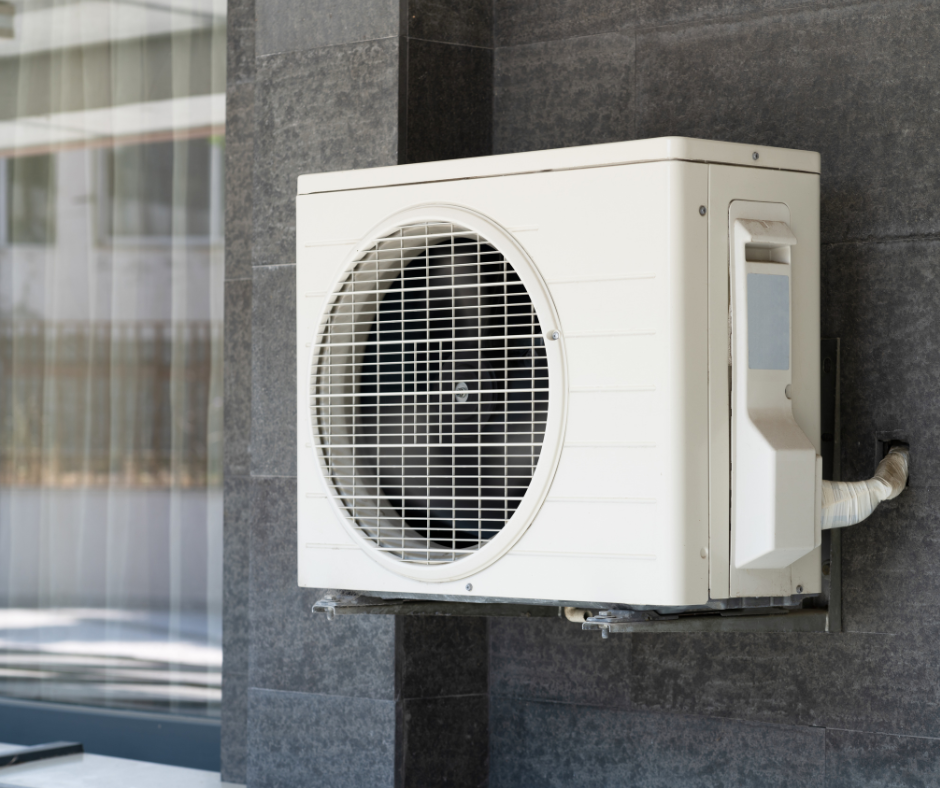
Heat pumps have seen a massive surge in popularity across Wilsonville over the last decade. Unlike a furnace, which creates heat by burning fuel, a heat pump moves heat from the outdoor air into your home. This process is remarkably efficient and offers several unique benefits for our local environment.
Year Round Versatility
The most significant advantage of a heat pump is that it provides both heating and cooling in a single unit. In Wilsonville, where our summers are becoming increasingly hot and smoky, having a high efficiency air conditioner built into your heating system is a major asset.
- Energy Efficiency: Because heat pumps move heat rather than creating it, they can be up to 300 percent efficient during our typical 40 to 50 degree winter days.
- Environmental Impact: For homeowners looking to reduce their carbon footprint, heat pumps are the gold standard. They run entirely on electricity, which in Oregon is increasingly sourced from renewable energy like wind and hydro power.
- Incentives and Rebates: Under the Inflation Reduction Act and local utility programs, Wilsonville residents may be eligible for significant tax credits and rebates when installing a qualified high efficiency heat pump.
The Low Ambient Challenge
While older heat pumps struggled when the temperature dropped below freezing, modern low ambient technology has changed the game. Many of the systems we install at Wolfer’s can provide effective heat even when it is 5 degrees outside. However, as it gets colder, the system has to work harder, and the air coming from the vents may not feel as “toasty” as the air from a gas furnace.
The Gas Furnace: Reliable Power for the Coldest Nights
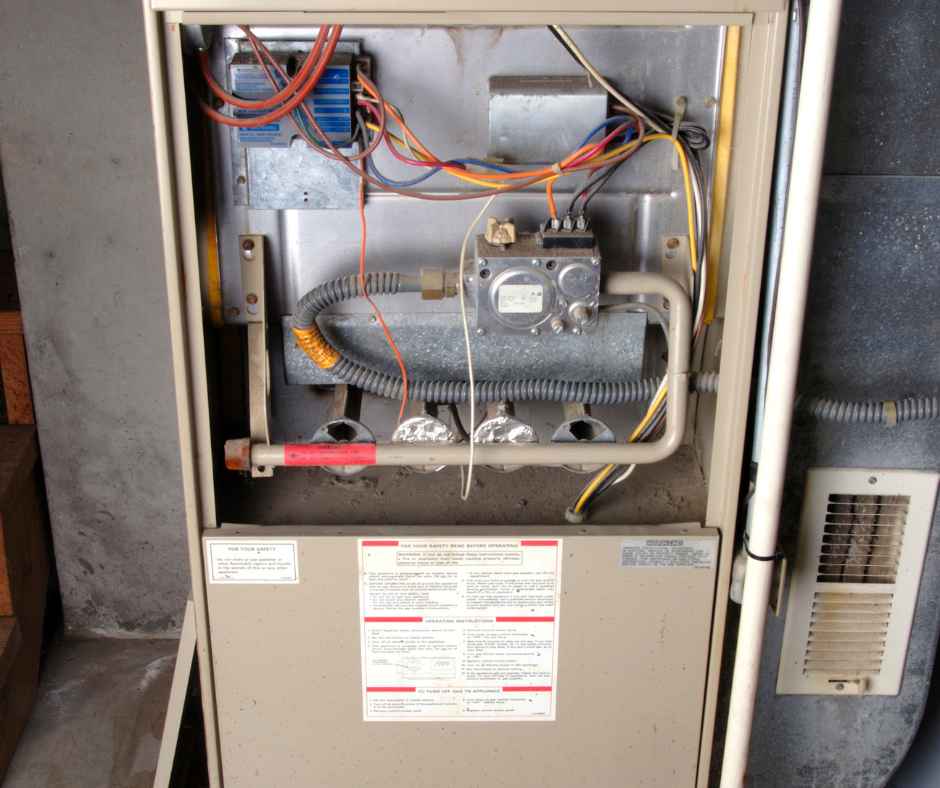
For many Wilsonville homeowners, especially those in older or larger properties, the gas furnace remains the preferred choice. If your home is already equipped with a natural gas line, a furnace provides a level of heating power that is hard to beat during a true Oregon cold snap.
Intensity and Reliability
A gas furnace produces air that is significantly hotter than the air from a heat pump. This “blast” of warmth is often preferred by people who feel chronically chilly during the damp winter months.
- Consistent Performance: A gas furnace does not care if it is 40 degrees or 10 degrees outside. It will produce the same high intensity heat regardless of the outdoor temperature.
- Longer Lifespan: Because a furnace only runs during the winter months, its mechanical components often last longer than those of a heat pump, which runs year round for both heating and cooling. It is not uncommon for a well maintained furnace in Wilsonville to last 20 years or more.
- Lower Initial Cost: If your home is already set up for gas, replacing an old furnace is usually less expensive upfront than installing a complete heat pump system, especially if your electrical panel requires an upgrade to handle the heat pump’s load.
The Downside of Gas
The primary disadvantage of a furnace is that it only solves half of the comfort equation. A furnace provides no cooling, meaning you must still maintain a separate air conditioner for the summer months. Additionally, as natural gas prices fluctuate, your monthly operating costs may be less predictable than an all electric system.
The Hybrid Solution: The Best of Both Worlds
For Wilsonville homeowners who want the ultimate in comfort and efficiency, Wolfer’s often recommends a “dual fuel” or hybrid system. This setup combines an electric heat pump with a gas furnace.
How Dual Fuel Works
The system uses the heat pump for the vast majority of the winter when temperatures are between 35 and 60 degrees. This capitalizes on the heat pump’s incredible efficiency during mild weather.
- The Automatic Switch: When a major cold front hits and the temperature drops below a certain “balance point,” the system automatically switches to the gas furnace.
- Maximum Comfort: You get the low energy bills of a heat pump for 90 percent of the winter and the intense, reliable heat of gas during the coldest 10 percent of the year.
- Redundancy: If the electricity goes out and you have a backup generator, or if one part of the system has a mechanical issue, you have a second heating source ready to go.
Making the Decision for Your Wilsonville Home
When you sit down with a Wolfer’s comfort consultant, we look at several specific factors to help you make the right choice.
Your Current Infrastructure
If your home does not have a gas line, installing one can be expensive. In this case, an all electric heat pump is almost always the best path. Conversely, if you have a perfectly functional gas furnace but your air conditioner is dying, upgrading that AC to a heat pump to create a hybrid system is a very smart move.
Your Long Term Plans
Are you planning to stay in your Wilsonville home for twenty years, or are you looking to sell in the next five? A heat pump adds significant value for modern buyers looking for “green” homes with built in AC. However, if you are on a tight budget for a quick replacement, a standard gas furnace may be the more practical choice.
Indoor Air Quality
Heat pumps tend to move more air at lower temperatures, which can be beneficial for filtration if you have high quality filters or air purifiers installed. Furnaces provide shorter, hotter bursts of air, which some people find can lead to a “stuffier” feeling in the home if the humidity is not managed correctly.
Schedule Your Home Comfort Consultation with Wolfer’s
Confused about which heating system is right for you? The experts at Wolfer’s Home Services are ready to help you navigate the heat pump vs. furnace debate. We provide a comprehensive home assessment to determine your exact heating and cooling needs. From load calculations to expert advice on local rebates, we give you all the information you need to make a confident decision.
Contact us today to schedule your consultation and find out why Wilsonville trusts Wolfer’s for all its heating and cooling needs.
Unbeatable Heating, Air Conditioning, Plumbing & Electrical Services
From everyday repairs to major home comfort upgrades, Wolfer’s Home Services is ready to help. Our experienced technicians provide dependable HVAC, plumbing, and electrical solutions backed by more than 125 years of service and our commitment to five-star customer care.