Rated 4.8 out of 7,554+ Reviews





How to Keep Indoor Air Clean & Damp-Free During Oregon Winters
4.8

Rating by 7,554+ Customers
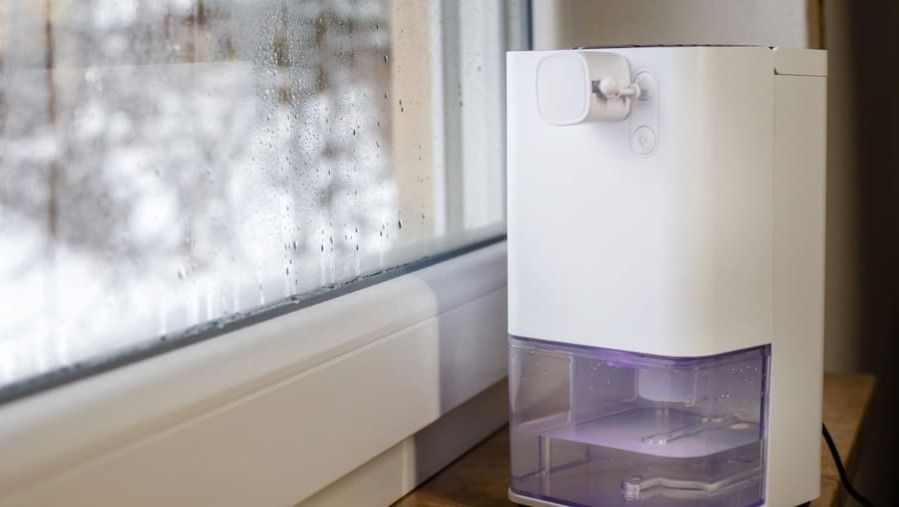
Oregon winters bring plenty of rain, chilly temperatures, and long stretches of damp weather. For homeowners throughout Portland, Beaverton, Hillsboro, and surrounding Willamette Valley communities, these conditions can make maintaining comfortable indoor air more challenging. With windows closed and heating systems running regularly, moisture, dust, and other indoor pollutants may accumulate, leaving some homes feeling stuffy or damp.
While Oregon’s rainy climate doesn’t automatically cause poor indoor air quality, inadequate ventilation, excess moisture, and HVAC maintenance problems can contribute to uncomfortable conditions. Fortunately, a few preventative steps can help homeowners maintain balanced humidity and cleaner indoor air throughout the winter.
In this guide, we’ll explain how to improve indoor air quality during Oregon winters, recognize moisture problems, manage humidity, and decide when professional HVAC or indoor air quality services may help.
Why Does Oregon’s Wet Winter Weather Affect Indoor Air Quality?
Northwest Oregon experiences extended periods of rainfall during fall and winter, particularly throughout the Portland metropolitan area and Willamette Valley. Rain itself doesn’t necessarily increase indoor humidity, but moisture can accumulate when water enters the home or indoor activities generate more humidity than ventilation can remove.
During colder months, homeowners also tend to spend more time indoors with windows closed. Cooking, showering, laundry, and everyday household activities can introduce moisture and airborne pollutants into living spaces.
Several factors can contribute to winter indoor air quality problems:
-
Reduced ventilation: Closed windows and inadequate fresh air exchange can allow indoor pollutants to accumulate.
-
Cooking and showering: Everyday activities release water vapor that can increase indoor humidity.
-
Damp building materials: Water intrusion can leave walls, floors, or insulation exposed to persistent moisture.
-
Heating system operation: HVAC airflow can circulate airborne particles throughout the home.
-
Poorly ventilated bathrooms: Moisture may linger after showers when exhaust fans aren’t functioning properly.
-
Wet crawl spaces: Standing water or damp materials beneath the home can contribute to moisture concerns.
Homes throughout Portland, Lake Oswego, Tigard, and surrounding communities have different insulation levels, ventilation systems, and building conditions. Understanding where moisture and pollutants originate is the first step toward improving winter indoor air quality.
What Are the Signs of Excess Moisture and Poor Indoor Air Quality?
Indoor moisture problems often develop gradually, making early warning signs easy to overlook. Homeowners may first notice condensation on windows, lingering odors, or rooms that consistently feel damp.
Recognizing these symptoms can help identify potential problems before moisture causes additional damage.
Common warning signs include:
-
Condensation on windows: Persistent moisture may indicate elevated indoor humidity, cold window surfaces, or both.
-
Musty odors: Lingering smells can suggest damp materials or microbial growth.
-
Visible mold: Mold growth indicates an underlying moisture problem that requires attention.
-
Damp walls or ceilings: Water stains may result from leaks, condensation, or water intrusion.
-
Peeling paint: Repeated moisture exposure can damage interior finishes.
-
Excessive bathroom condensation: Moisture that remains long after showers may indicate inadequate ventilation.
-
Damp crawl spaces: Standing water or wet building materials can contribute to ongoing moisture concerns.
-
Stale indoor air: Limited ventilation may allow odors and indoor-generated pollutants to accumulate.
Condensation doesn’t automatically mean mold is present, but persistent moisture shouldn’t be ignored. Similarly, air fresheners and filtration equipment may temporarily improve how a room smells without addressing the source of dampness.
For Oregon homeowners experiencing recurring moisture problems, identifying whether the cause involves ventilation, plumbing leaks, or exterior water intrusion is essential.
How Can You Control Indoor Humidity During Oregon Winters?
Maintaining balanced indoor humidity is one of the most effective ways to improve comfort and reduce moisture-related problems. Excessive humidity can contribute to condensation and dampness, while overly dry air may cause discomfort.
Many homes benefit from maintaining indoor relative humidity around 30% to 50%, although the appropriate level depends on outdoor temperatures, insulation, and condensation risk. During colder weather, some homes may require lower humidity to prevent moisture from collecting on windows and other cold surfaces.
Use this winter humidity control checklist:
-
Monitor humidity levels: Use a hygrometer to measure indoor relative humidity rather than relying on how the air feels.
-
Run bathroom exhaust fans: Use ventilation during showers and continue operating fans afterward to remove lingering moisture.
-
Ventilate while cooking: Use an externally vented range hood to help remove cooking moisture and pollutants.
-
Repair plumbing leaks: Address dripping pipes, faucets, and other moisture sources promptly.
-
Dry wet materials: Avoid leaving damp towels, carpets, or other fabrics wet for extended periods.
-
Inspect crawl spaces: Look for standing water, wet insulation, or persistent dampness when it is safe to access.
-
Avoid excessive humidifier use: Adding unnecessary moisture can worsen condensation problems.
-
Consider dehumidification: Persistent elevated humidity may require additional moisture control.
Indoor heat can also affect relative humidity, but heating alone doesn’t remove moisture from the home. Proper ventilation and moisture source control remain important even when the heating system is operating normally.
If condensation or dampness continues despite these steps, you may need further investigation to identify hidden moisture sources.
How Does Your HVAC System Affect Winter Indoor Air Quality?
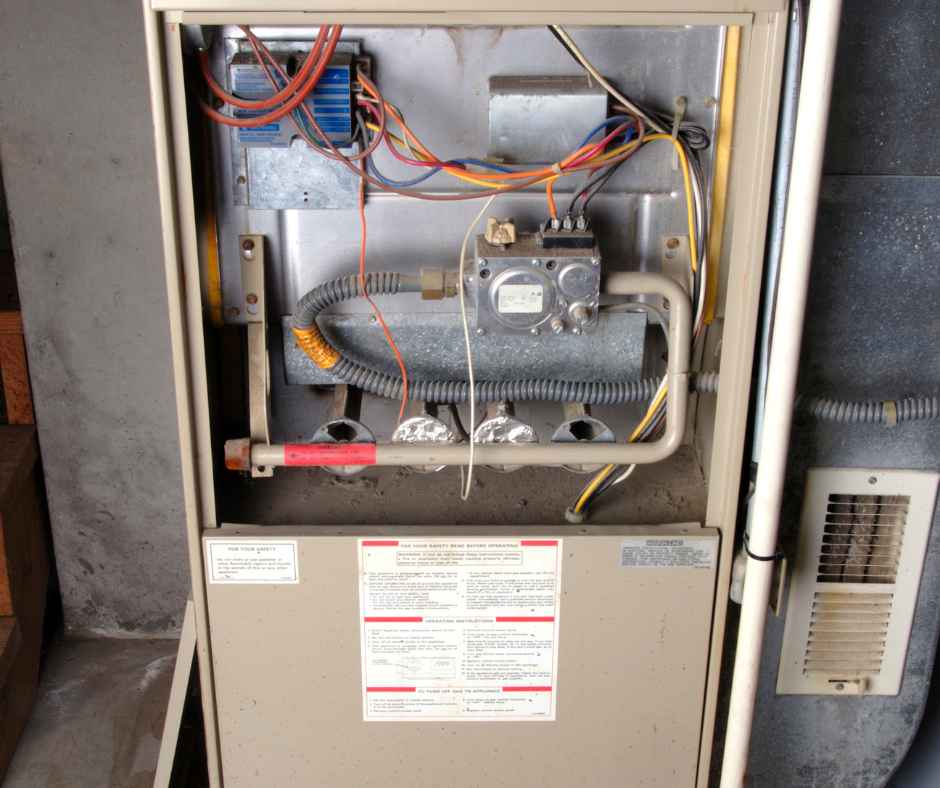
Your home’s heating and cooling system plays an important role in indoor comfort, airflow, and filtration. During Oregon winters, furnaces and heat pumps may operate frequently, circulating air through ductwork and filtration equipment.
A properly selected HVAC filter can capture certain airborne particles, including dust and other debris. However, filtration effectiveness depends on the filter’s design, efficiency rating, installation, and compatibility with the heating system.
Homeowners can support better HVAC performance by following a few maintenance practices:
-
Check filters regularly: Inspect filters per the manufacturer’s recommendations and replace them when needed.
-
Use compatible filters: Choose higher-efficiency filtration based on the HVAC system’s airflow requirements.
-
Keep vents unobstructed: Avoid blocking supply and return vents with furniture or household items.
-
Monitor airflow: Weak or uneven airflow may indicate restricted filters, ductwork issues, or equipment problems.
-
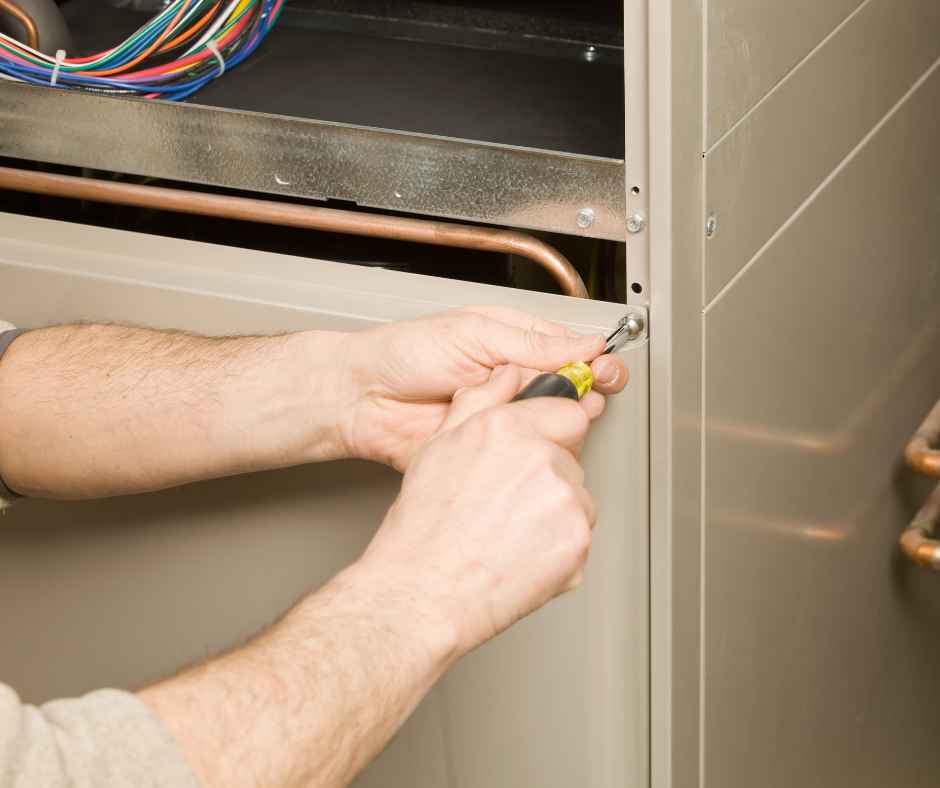
Schedule HVAC maintenance: Professional inspections can help identify issues affecting system performance.
-
Evaluate filtration needs: Additional filtration equipment may be appropriate for certain household concerns.
Standard HVAC filters don’t remove excess moisture or provide fresh outdoor air unless the system includes equipment designed for those functions. Likewise, a heating system cannot correct active plumbing leaks or moisture entering through a foundation.
For homeowners throughout Northwest Oregon, maintaining HVAC equipment is one part of a broader indoor air quality strategy.
What Ventilation Strategies Work Best During Rainy Weather?
Keeping windows closed during cold, rainy weather helps maintain indoor comfort, but it can also reduce natural ventilation. Without adequate air exchange, moisture and indoor-generated pollutants may accumulate.
Fortunately, improving ventilation doesn’t require leaving windows open throughout Oregon’s winter rainy season.
Effective winter ventilation strategies include:
-
Use bathroom exhaust fans: Remove moisture during and after showers.
-
Operate kitchen ventilation: Use an externally vented range hood when cooking.
-
Check exhaust fan performance: Make sure fans operate properly and discharge outdoors, not into attics or crawl spaces.
-
Vent clothes dryers outdoors: Confirm that dryer exhaust systems are properly connected and unobstructed.
-
Consider mechanical ventilation: Dedicated ventilation systems can provide more consistent air exchange.
-
Open windows briefly when appropriate: Short periods of fresh air may help when outdoor conditions are suitable.
The best ventilation approach depends on the home’s construction, existing equipment, and moisture conditions. Some Portland-area homes may benefit from improved bathroom exhaust ventilation, while others may require a more comprehensive solution.
A professional HVAC evaluation can help determine whether existing ventilation is adequate for the home’s needs.
Can Air Purifiers and Dehumidifiers Improve Indoor Air Quality?
Air purifiers and dehumidifiers are often discussed together, but they address different indoor air quality concerns. Understanding their functions helps homeowners choose appropriate solutions instead of buying equipment that doesn’t address the underlying problem.
Air purifiers and filtration systems reduce certain airborne contaminants. Depending on the filtration technology, they may help capture dust, pollen, and other particles circulating through indoor air.
However, air purifiers don’t remove excess humidity or correct water intrusion. They also cannot eliminate an active mold problem caused by persistent moisture.
Dehumidifiers remove moisture from indoor air, helping maintain more appropriate humidity levels. They may be useful in homes with persistent dampness, particularly in basements or other areas where moisture accumulates.
Dehumidifiers don’t replace proper ventilation, filtration, or necessary repairs to plumbing and building materials. If water is entering through a foundation or a leaking pipe, you must address the source.
Some Oregon homes may benefit from both air filtration and dehumidification, while others may only need improved ventilation or routine HVAC maintenance. Equipment recommendations should be based on the home’s actual conditions.
When Should You Schedule Professional Indoor Air Quality Service?
Routine cleaning, ventilation, and moisture management can improve some indoor air quality concerns. However, persistent problems may indicate that the home’s HVAC system, ventilation equipment, or building conditions require closer evaluation.
Consider professional indoor air quality or HVAC service when you notice:
-
Condensation that repeatedly collects on windows or other surfaces.
-
Persistent musty odors that don’t improve with ventilation.
-
Indoor humidity that remains consistently elevated.
-
Weak or uneven airflow throughout the home.
-
Bathroom ventilation that doesn’t remove moisture adequately.
-
Frequent HVAC filter restrictions.
-
Recurring comfort problems despite normal heating system operation.
-
Ongoing concerns about airborne dust or indoor pollutants.
A professional HVAC evaluation can help assess airflow, filtration, ventilation, and equipment operation. Depending on the findings, recommendations may include maintenance, filtration improvements, or additional ventilation equipment.
However, significant mold contamination, structural moisture problems, and active water intrusion may require specialists beyond HVAC service. Addressing the underlying source of moisture is essential for lasting improvement.
Improve Your Oregon Home’s Winter Air Quality With Wolfer’s
Oregon’s rainy winters can make indoor moisture management challenging, but maintaining cleaner, more comfortable air doesn’t have to be complicated. Monitoring humidity, improving ventilation, maintaining HVAC filters, and addressing moisture sources can help reduce dampness and improve indoor conditions.
At Wolfer’s Home Services, we help homeowners throughout Portland and surrounding Northwest Oregon communities address heating, ventilation, and indoor air quality concerns. Whether you’re dealing with persistent condensation, poor airflow, or questions about filtration and humidity control, identifying the source is an important first step.
If your home feels damp, stuffy, or uncomfortable during Oregon’s rainy season, contact Wolfer’s Home Services today. Our team can evaluate your HVAC and indoor air quality concerns and recommend solutions to keep your home comfortable throughout the winter.
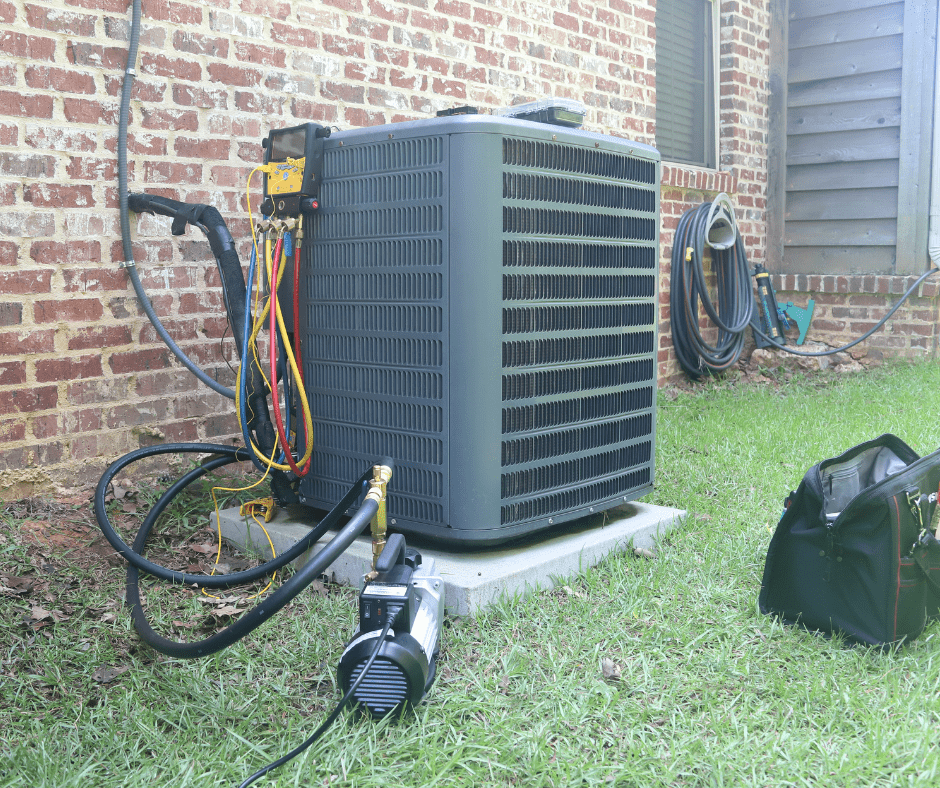
Unbeatable Heating, Air Conditioning, Plumbing & Electrical Services
From everyday repairs to major home comfort upgrades, Wolfer’s Home Services is ready to help. Our experienced technicians provide dependable HVAC, plumbing, and electrical solutions backed by more than 125 years of service and our commitment to five-star customer care.