Rated 4.8 out of 7,276+ Reviews





When Installing a Heat Pump Requires an Electrical Panel Upgrade
4.8

Rating by 7,276+ Customers
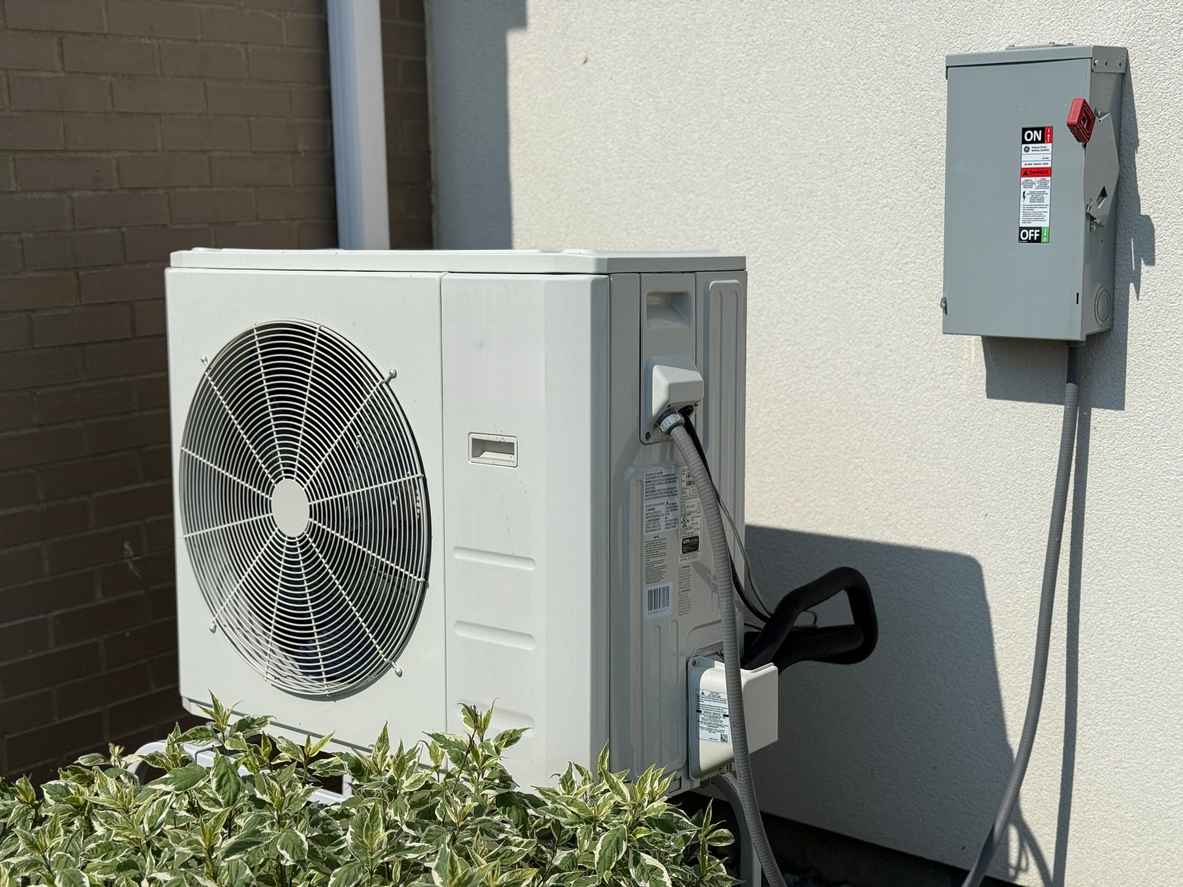
Transitioning your property’s climate control infrastructure to a high-efficiency residential heat pump is one of the most intelligent upgrades a Pacific Northwest homeowner can make. Across Portland, Salem, and Vancouver, Washington, our regional climate delivers a dynamic mix of conditions. We navigate soggy, freezing winter mornings followed by increasingly blistering mid-summer heat waves. Because a modern heat pump provides both robust heating and crisp central air conditioning within a single, highly refined system, it has rapidly become the preferred comfort framework for families looking to lower their carbon footprint and reduce monthly energy utility statements.
However, moving toward whole-home electrification involves looking beyond the outdoor equipment cabinet and structural duct networks. A heat pump operates on entirely different thermodynamic and electrical principles than a standard gas furnace.
When you introduce high-capacity heating and cooling machinery to an older residential layout, your existing home electrical framework faces a major operational challenge. What starts as a standard HVAC replacement project can quickly reveal that your main breaker panel is physically incapable of managing the new electrical load.
At Wolfer’s Home Services, we have been engineering dependable, top-tier home comfort and utility solutions across Northwest Oregon and Southwest Washington since 1901. This comprehensive technical guide breaks down the physical engineering reasons why installing a heat pump frequently demands a concurrent electrical panel upgrade, and how our dual-licensed technicians ensure your property grid remains safe, code-compliant, and future-proof.
The Technology Gap: Gas Furnaces vs. Electric Heat Pumps
To understand why a new heat pump strains an outdated electrical framework, you have to look at the differences in fuel consumption between legacy heating systems and modern electric machinery.
The Low Amperage Legacy of Gas Heating
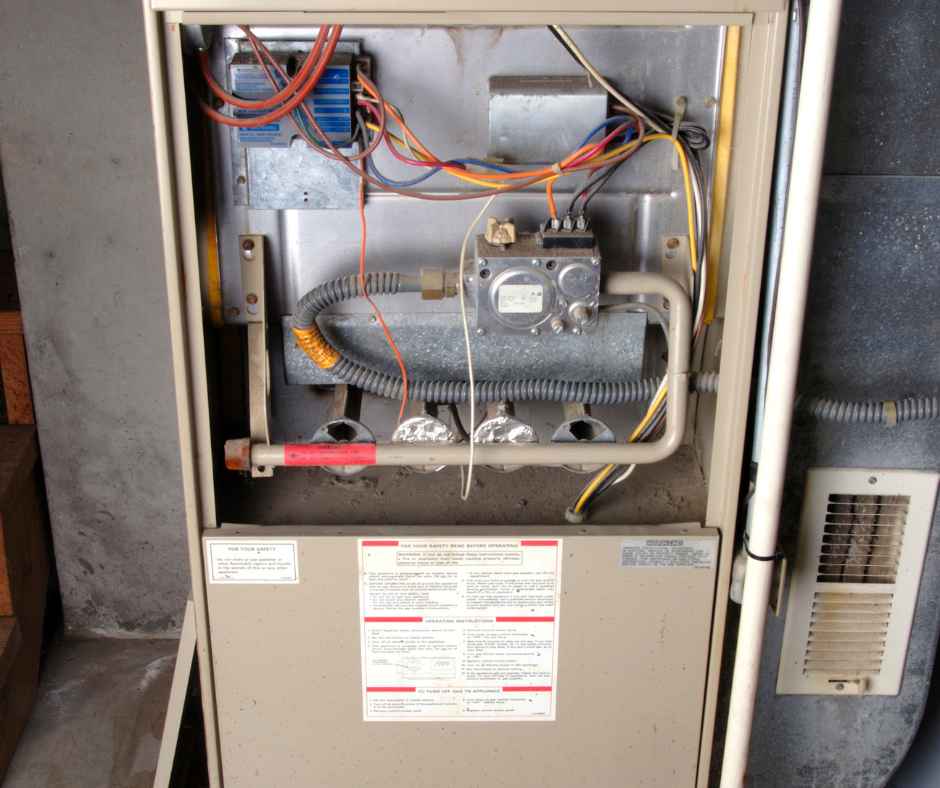
If your home currently utilizes a traditional natural gas or propane furnace for winter warmth, the unit consumes very little raw electricity. The main fuel source is the gas line.
Electricity is only required to power the small internal control board, ignite the burners, and spin the indoor blower fan motor. Consequently, a standard gas furnace typically runs on a single, low-voltage 15-amp or 20-amp circuit breaker, drawing minimal power from your central panel.
The Heavy Demand of Thermodynamic Heat Transfer
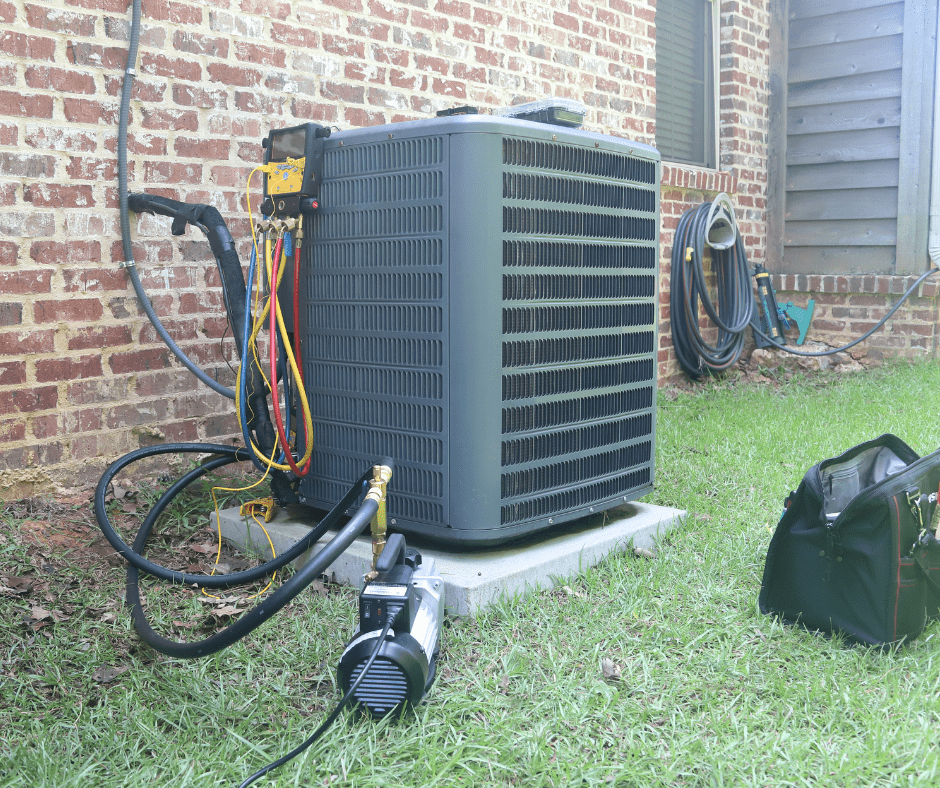
A heat pump does not create thermal energy through internal combustion. Instead, it utilizes an advanced refrigeration loop to physically capture ambient heat from the outdoor atmosphere and compress it to warm your indoor rooms.
This process requires a heavy-duty outdoor compressor pump, a large condenser fan motor, an indoor air handler, and a collection of localized electronic control modules. To drive this heavy mechanical network, a central ducted heat pump demands a dedicated, high-voltage 240-volt electrical line, requiring a dual-pole 30-amp to 50-amp circuit breaker.
Furthermore, because Pacific Northwest winters can occasionally bring freezing arctic plunges, most central heat pumps feature internal auxiliary electric heat strips. These backup heating elements act like a giant commercial toaster inside your ducts, ensuring your family stays perfectly warm when outdoor temperatures plummet below freezing. When these emergency auxiliary heat strips engage, they can draw an additional 40 to 60 amps of current on their own, instantly overwhelming an undersized electrical panel.
Evaluating Amperage Capacity: Is Your 100-Amp Panel Starved?
The central electrical panel is the primary gatekeeper of your entire home infrastructure, distributing incoming utility power across various branch circuits. The total volume of power your panel can handle at any single moment is measured in amps.
A massive percentage of mid-century and historic homes throughout the Portland and Salem metro areas were originally constructed with 60-amp or 100-amp main electrical services. Decades ago, 100 amps of current was an abundance of power, easily satisfying a household that only operated a few light bulbs, a refrigerator, a washing machine, and a television.
Today, that identical legacy framework is forced to handle an endless array of modern devices. We run high-draw kitchen ranges, electric clothes dryers, microwaves, computers, and smart home grids simultaneously. If your current 100-amp service panel is already operating near its physical limits, attempting to add a 40-amp heat pump circuit will push the system past its safe boundaries. Every time your system turns on while you are running the clothes dryer or cooking dinner, the main breaker switch will trip cleanly to prevent an explosive structural overload, leaving your house in total darkness.
Beyond Heat Pumps: Sizing Your Grid for Future Upgrades
When our certified residential electricians perform a comprehensive home load calculation ahead of a heat pump installation, we don’t just look at your current appliance checklist. We evaluate your long-term property roadmap. Upgrading an outdated, maxed-out panel to a modern, code-compliant 200-amp service panel completely overhauls your property infrastructure, providing the essential foundation needed to safely integrate high-value modern technologies, including:
- Level 2 EV Charging Stations: A rapid home electric vehicle charger requires a dedicated 240-volt, 40-amp to 50-amp circuit, which can consume over half of an entire older 100-amp home grid on its own.
- Whole-Home Backup Standby Generators: Connecting a permanent emergency generator network requires a modern, spacious panel frame paired with an automated transfer switch to protect your family during winter storm blackouts.
- Modern Kitchen Remodels: High-performance induction cooktops and multi-zone convection ovens demand high-amperage, uncompromised dedicated supply lines.
Dangerous Legacy Brands: Code Liabilities in the Pacific Northwest
Beyond simple amperage limitations, certain specific brands of older electrical panels common to older Oregon neighborhoods possess severe engineering defects and must be replaced immediately, regardless of your HVAC plans.
Federal Pacific Electric (FPE) Stab-Lok Panels
If your garage or utility closet contains a metal panel door stamped with the Federal Pacific or Stab-Lok name, your property faces an immediate, hidden danger. These legacy breakers feature a catastrophic manufacturing defect where the internal switches routinely lock up and completely fail to trip during a genuine short circuit or grounding fault. Because the breaker fails to cut the power, high-voltage electricity continues to surge through your wall wires, melting insulation and igniting devastating structural fires.
Zinsco and Sylvania Panels
Popular throughout the 1970s and 1980s, Zinsco panels utilize an inferior aluminum bus bar framework that oxidizes and degrades rapidly under continuous household electrical resistance. This corrosion creates intense localized heat that can literally melt the plastic breaker casings directly to the metal core. A licensed electrician cannot legally or ethically attach a modern heat pump circuit to these hazardous enclosures.
Smooth Performance Through Every Pacific Northwest Season
Investing in a high-efficiency residential heat pump is a powerful step that delivers precise, multi-season comfort, improves your indoor air quality, and insulates your household from volatile fossil fuel utility rates. However, ensuring that this sophisticated machinery can operate at peak performance requires establishing a strong, healthy, and high-capacity electrical foundation. By recognizing the relationship between your home’s total amperage capacity and your climate control goals, you can take proactive control of your primary mechanical assets, eliminate safety liabilities, and secure your property infrastructure for decades to come.
Don’t wait for a blown main breaker or an unexpected system failure during the next major heat wave or winter freeze to check your grid health. Contact Wolfer’s Home Services today to schedule a heat pump installation assessment and professional electrical panel audit with our local specialists. Let our family serve yours, delivering the reliable, high-quality, and completely honest home craftsmanship our community has trusted since 1901.
Unbeatable Heating, Air Conditioning, Plumbing & Electrical Services
From everyday repairs to major home comfort upgrades, Wolfer’s Home Services is ready to help. Our experienced technicians provide dependable HVAC, plumbing, and electrical solutions backed by more than 125 years of service and our commitment to five-star customer care.